How to Steam Wool Without Damaging Your Favorite Clothes
Wool garments are loved for their warmth, softness, and timeless style—but caring for them can be challenging. Many sellers and clothing owners worry about shrinkage, fabric damage, or losing the natural texture when trying to remove wrinkles from wool coats, sweaters, and suits.
So, can you steam 100% wool? Is it better to iron or steam wool? And is it safe to use a steamer on wool?
The answer is yes—when done correctly, steaming is one of the safest ways to refresh wool fabrics. This guide will explain how to steam wool step by step and share practical tips for protecting your wool garments.
Can You Steam 100% Wool?
Yes, you can steam 100% wool.
Wool is a natural fiber that responds well to gentle heat and moisture. Unlike high-temperature ironing, steaming helps relax the wool fibers and release wrinkles without applying direct pressure that may flatten the fabric’s natural texture.
However, wool requires careful handling. Excessive heat, too much moisture, or pressing too hard against the fabric may cause:
- Fabric stretching or distortion
- Loss of wool’s natural shape
- Water spots
- Surface damage or shine marks
Using the right technique and a suitable garment steamer can help you remove wrinkles while maintaining the softness and structure of wool clothing.
How to Steam Wool: Step-by-Step Guide
Step 1: Check the Wool Care Label
Before steaming, always check the garment care label.
Some wool items, especially delicate wool blends or luxury fabrics, may require professional cleaning. If steaming is allowed, test a small hidden area first to make sure the fabric reacts well.
Step 2: Prepare Your Garment Steamer
Choose a garment steamer that provides stable steam output and gentle heat control.
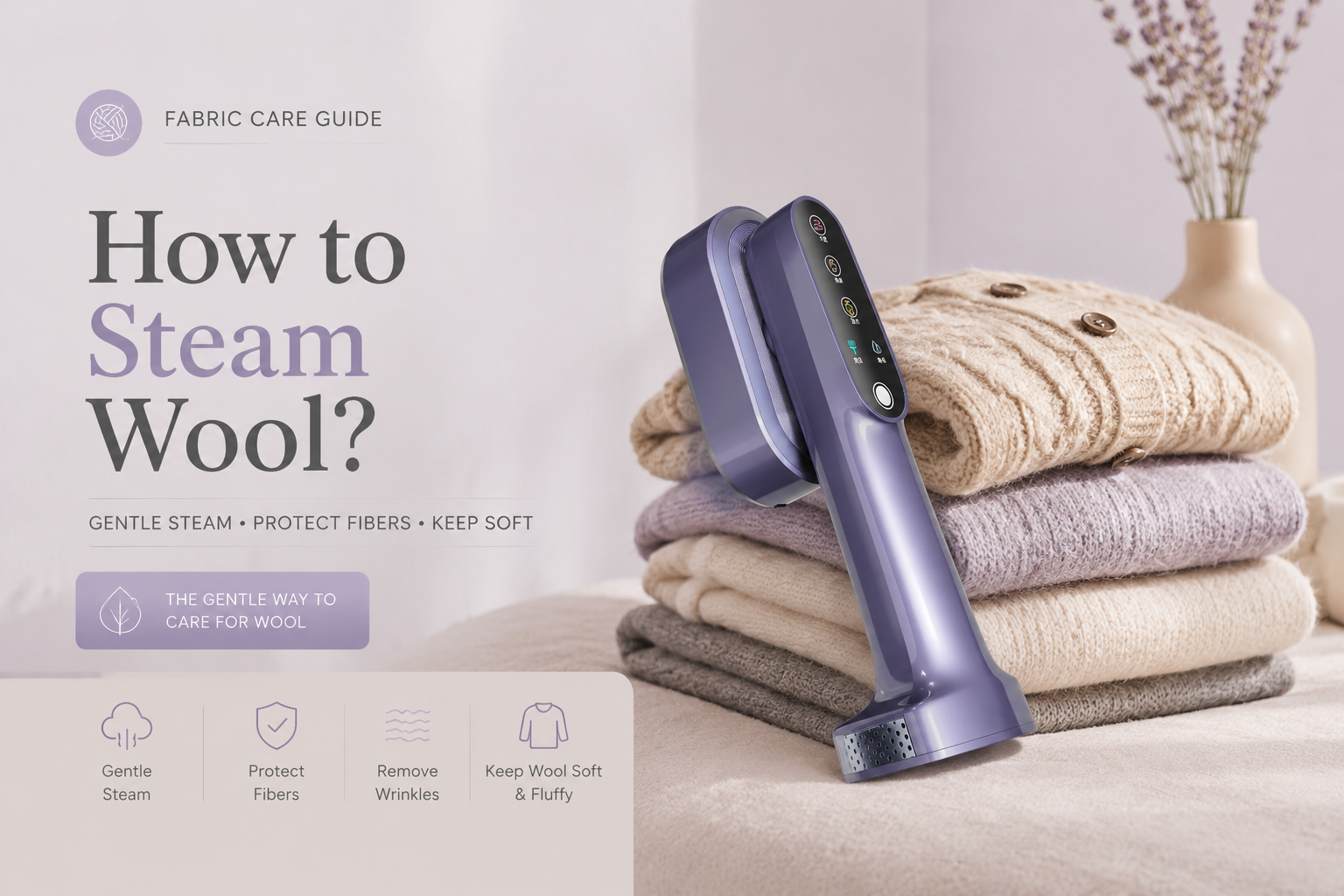
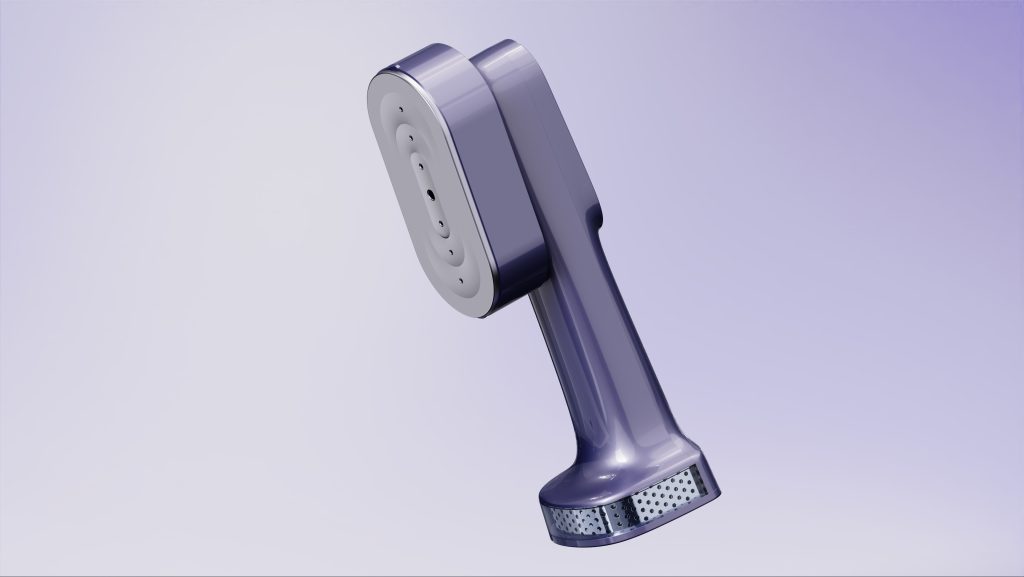
A portable option like the T35 Portable Handy Steamer is designed for convenient wool garment care. With features including an upgraded version design, intelligent screen display, dual-voltage system, rotational structure, and portable size, it is suitable for refreshing wool coats, sweaters, suits, and other delicate fabrics at home or while traveling.
The dual-voltage system also makes it easier for users who travel internationally to care for their clothes without worrying about different voltage standards.

Step 3: Hang the Wool Garment Properly
Hang your wool clothing on a sturdy hanger and allow enough space for the fabric to relax.
For better results:
- Keep the garment hanging vertically
- Make sure the fabric is not folded or compressed
- Allow wrinkles to naturally loosen during steaming
Gravity helps pull the wool fibers back into shape while steam softens the wrinkles.
Step 4: Keep the Steamer at a Safe Distance
When learning how to steam wool, the most important rule is avoiding excessive heat exposure.
This technique is especially important when learning how to remove wrinkles from wool, as wool fibers need gentle heat and moisture rather than direct pressure.
Hold the steamer slightly away from the fabric and move slowly from top to bottom.
Recommended method:
- Start from the shoulders and collar area
- Move downward along the garment
- Let steam penetrate the fibers naturally
- Avoid staying in one spot for too long
Do not press the steam head firmly against wool like you would with an iron.
Step 5: Gently Reshape the Wool After Steaming
After steaming, allow the garment to cool and dry naturally.
Use your hands to gently adjust:
- Sleeves
- Shoulders
- Lapels
- Overall shape
This helps restore the original silhouette and keeps wool clothing looking structured.
Is It Better to Iron or Steam Wool?
For most wool garments, steaming is usually better than ironing.
While ironing can remove wrinkles effectively, it requires direct contact between the hot plate and fabric. Incorrect temperature settings or excessive pressure may create unwanted shine or flatten wool fibers.
Steaming offers several advantages:
1. Protects Wool Texture
Steam relaxes fibers without crushing the natural surface of wool, helping maintain its softness and appearance.
2. Reduces the Risk of Heat Damage
A garment steamer provides indirect heat, making it safer for delicate fabrics compared with direct ironing.
3. Refreshes Clothes Quickly
Steam can help remove wrinkles, odors, and refresh wool garments between washes—especially useful for coats, jackets, and suits.
For daily wool garment care, a quality steamer is often a more convenient choice than traditional ironing.
How to Steam Different Types of Wool Garments
Not all wool garments require the same care method. While steaming is generally a safe choice for wool, different wool fibers have different structures, thicknesses, and sensitivity to heat. Understanding these differences helps you choose the right steaming technique and avoid unnecessary damage.
Wool Care Comparison: Cashmere vs. Merino Wool vs. Regular Wool
| Wool Type | Characteristics | Steaming & Ironing Recommendation |
|---|---|---|
| Cashmere | Extremely soft, lightweight, and delicate with fine fibers | Steaming is the preferred method. Use gentle steam from a distance and avoid direct pressure. Ironing is usually not recommended because high heat can flatten the soft texture and create shine marks. |
| Merino Wool | Fine, breathable, and more durable than cashmere. Commonly used for sweaters, base layers, and travel clothing | Steaming works well for relaxing wrinkles and refreshing the fabric. If ironing is necessary, use a low-temperature setting with a pressing cloth. |
| Wool Coats & Suits | Thicker fibers with structured shapes, often blended with other materials | A powerful but controlled garment steamer is ideal for removing wrinkles while maintaining the coat’s shape. Focus on collars, shoulders, and sleeves. |
| Wool Sweaters | Soft knit structure that can stretch easily when wet or heated | Steam lightly and allow the sweater to rest flat or hang properly after steaming. Avoid pressing directly with an iron. |
How to Steam Cashmere Safely
Cashmere is one of the most luxurious wool fibers, but it is also more delicate than traditional wool.
When caring for cashmere:
- Use short bursts of gentle steam
- Keep the steamer slightly away from the surface
- Avoid pulling or stretching the fabric while steaming
- Let the garment cool naturally after steaming
A portable garment steamer like the T35 Portable Handy Steamer is a practical option for delicate fabrics such as cashmere because its intelligent screen display helps users monitor operation, while the rotational design allows more flexible steaming angles.
How to Steam Merino Wool Clothing
Merino wool is popular for its softness, breathability, and wrinkle resistance. It is often used in sweaters, outdoor clothing, and travel apparel.
Compared with cashmere, merino wool is more durable and easier to maintain. When steaming merino wool:
- Hang the garment properly
- Apply steam evenly from top to bottom
- Avoid keeping steam on one area for too long
- Allow the garment to fully dry before wearing
For travelers, the T35 Portable Handy Steamer with dual-voltage system provides added convenience, allowing users to care for merino wool clothing in different countries.
Is It Safe to Use a Steamer on Wool?
Yes, it is safe to use a steamer on wool when you follow proper steaming techniques.
To protect wool clothing:
- Use gentle steam instead of excessive heat
- Keep the steamer moving continuously
- Avoid pressing heavily on the fabric
- Allow wool garments to dry completely after steaming
- Test delicate fabrics before full steaming
A well-designed garment steamer can make wool care easier while reducing the risk of damage.
Why Choose a Portable Garment Steamer for Wool Care?
For people who frequently travel or need quick garment maintenance, portability is an important factor.
The T35 Portable Handy Steamer combines convenience with smart design, making it a practical solution for everyday wool garment care:
- Intelligent screen display for easier operation control
- Dual-voltage system for international travel
- Rotational design for flexible steaming angles
- Portable structure for home, office, or travel use
- Suitable for wool, silk, cotton, linen, and other fabrics
Its compact design makes it a practical solution for users looking for a best steamer for wool clothes without carrying bulky equipment.
Final Thoughts: The Best Way to Steam Wool Safely
So, can you steam 100% wool? Absolutely.
Steaming is one of the safest and most effective methods for removing wrinkles from wool garments when done properly. Compared with ironing, it provides gentler care while helping maintain wool’s natural softness and shape.
By choosing the right steamer, keeping the correct distance, and using gentle movements, you can build an effective wool garment care routine and keep wool coats, sweaters, and suits looking fresh for longer.
FAQ
Can you steam 100% wool?
Yes. A garment steamer can safely remove wrinkles from 100% wool when used with proper technique and moderate heat.
Is it better to iron or steam wool?
Steaming is generally better for wool because it uses gentle heat and moisture without directly pressing the fibers.
Is it safe to use a steamer on wool?
Yes. A steamer is safe for wool as long as you avoid excessive heat, keep the steamer moving, and follow the garment care instructions.